
Setting Boundaries That Actually Work
Learn how to say no at work without damaging relationships. Practical techniques for protecting your personal time in a high-pressure environment.
Read MoreEducational resources for managing long work hours, setting healthy boundaries, and maintaining personal well-being in the SAR lifestyle
4 articles to explore
Learn how to say no at work without damaging relationships. Practical techniques for protecting your personal time in a high-pressure environment.
Read More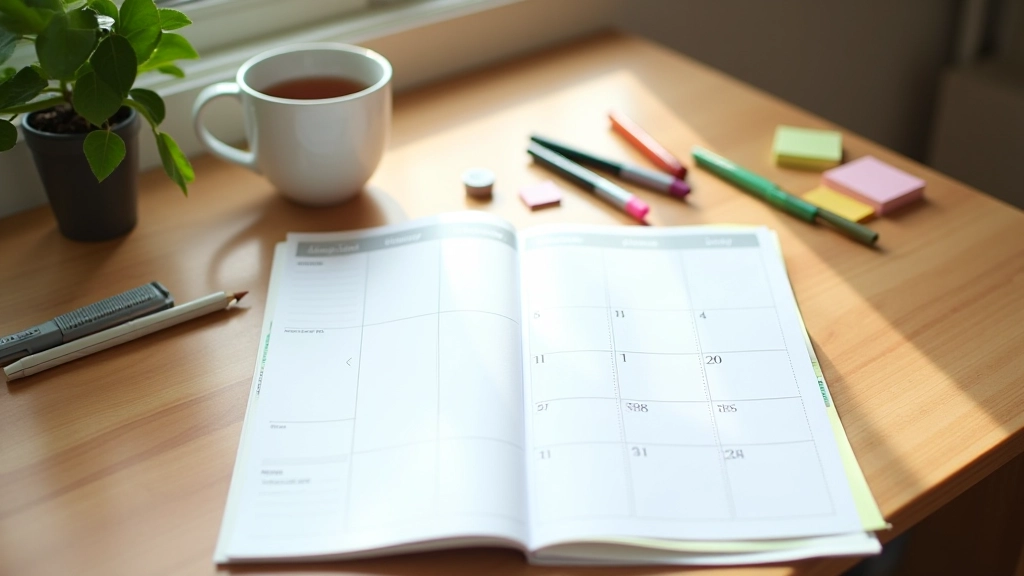
A step-by-step method for organizing your day when work hours aren’t fixed. You’ll learn how to protect time for rest and personal activities.
Read More
Why exercise is essential for well-being in demanding work cultures. Discover realistic routines you can maintain even with long working hours.
Read More
Small daily practices that add up to real well-being. From mindfulness to sleep routines, practical strategies designed for busy professionals.
Read MoreQuick answers to help you get started with better work-life practices
Start with small changes that don’t require permission. Set specific work hours when you won’t answer emails, even if you work later other days. Communicate your boundaries clearly and consistently. Document your accomplishments by output, not hours — many employers respect results over desk time once you prove you deliver. Build relationships with colleagues who also value balance; you’re rarely alone in feeling this pressure.
Flexible scheduling means you choose when you work (maybe 10am-6pm instead of 9am-5pm), while remote work means where you work. You can have one without the other. Some companies offer flexible hours but require office presence; others let you work from anywhere but on fixed hours. The best situation is flexible on both dimensions. Either way, the key is using that flexibility intentionally — it’s easy to let work expand to fill whatever schedule you have.
Physical and digital separation works better than willpower. Turn off work notifications after hours, use a separate device or browser profile for personal time, and physically leave your work area if possible. Create a shutdown ritual — close your laptop, review what you accomplished, then do something completely different. Your brain needs a clear signal that work has ended. This sounds simple but it’s surprisingly powerful once you make it a habit.
Yes, though it requires intentional effort. Hong Kong’s work culture is demanding, but it’s changing. More companies now recognize that burnt-out employees aren’t productive ones. You won’t find perfect balance everywhere, but you can find organizations and roles that respect personal time. Even in demanding roles, you can protect certain boundaries — maybe not every evening, but definitely weekends or specific days. The key is being strategic about where you work and what you prioritize.