
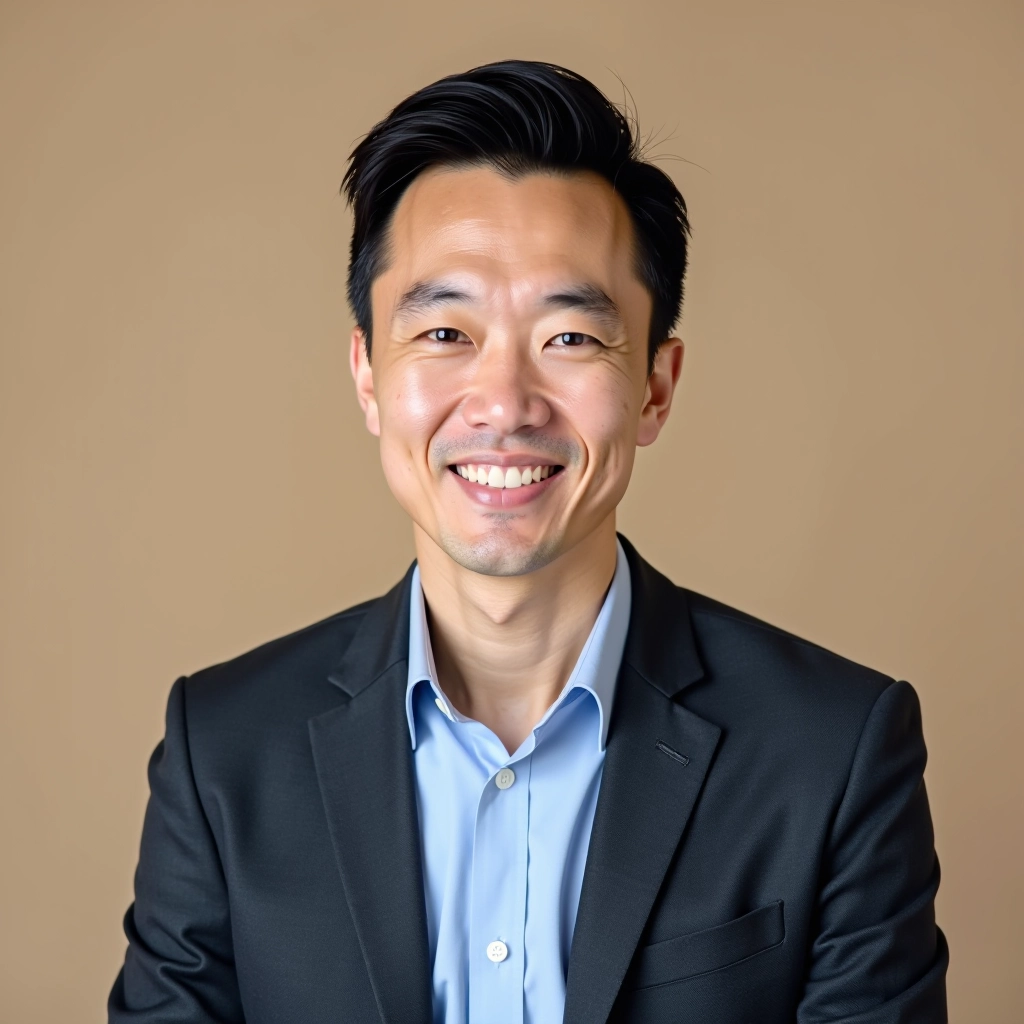
Michael Wong
Helping Hong Kong professionals build sustainable careers without sacrificing personal well-being. Founder at Balance & Thrive Limited.
The Interview
Understanding Michael’s approach to work-life balance in Hong Kong’s unique context
What makes work-life balance different in Hong Kong compared to Western markets?
That’s the core of what I focus on. Hong Kong’s work culture carries strong Confucian values around duty and dedication. We’re not dealing with a simple 9-to-5 mindset — many professionals here feel that working long hours demonstrates commitment and loyalty. At the same time, there’s enormous pressure from global business expectations.
The real issue? Western work-life balance models don’t translate directly. They assume you can just “switch off” after 6pm. But in Hong Kong, it’s more complicated. People are juggling Eastern values about respect for hierarchy and hard work with a genuine desire for personal time. What we need are frameworks that acknowledge both. That’s why I developed the SAR Flexibility Framework — it’s designed specifically for Hong Kong professionals navigating this tension.
You started in corporate HR at an investment bank. What changed your direction?
I watched too many talented people burn out. Brilliant people — genuinely skilled professionals — were leaving not because they didn’t like the work, but because the structure was unsustainable. That’s when I realized the problem wasn’t individual resilience. It was systemic.
I saw someone I respected — a VP with years of experience — tell me she’d stopped seeing her family for months. Not by choice. The organization expected it, and she felt powerless to change it. That conversation shifted something for me. I went back to university, studied occupational psychology seriously, and decided I wanted to help redesign how organizations approach this. Burnout isn’t a personal failure. It’s usually a system failure.
Setting boundaries feels almost taboo in Hong Kong workplace culture. How do you help people actually do it?
First, we reframe boundaries. It’s not about being lazy or uncommitted. It’s about being strategic. When you work sustainably, you actually perform better. Your decision-making improves, you’re more creative, you’re less prone to errors. That’s not something most people argue with — it’s just good business.
Second, boundaries need permission from above. You can’t ask an individual to maintain strict 6pm cut-offs if their manager expects emails at 10pm. So a lot of my work is with leadership. Helping them understand that if they model boundary-setting, their teams will follow. And if their teams are rested and mentally present, they’ll deliver better results.
Third, we make it practical. Not “work less.” But “work differently.” Time blocking, flexible scheduling, clear communication about availability — these are tools that actually fit into Hong Kong’s fast-paced environment. You’re not rejecting hard work. You’re making it sustainable.
What does your research say about stress management for Hong Kong professionals specifically?
There’s fascinating data here. We found that Hong Kong professionals respond very well to structured approaches — probably because it aligns with existing values around discipline and organization. Generic wellness advice doesn’t stick. But when you give people a clear system — like a specific time-blocking protocol or a defined “recovery window” each week — they commit to it.
We’ve also found that physical activity is underrated in our local context. Many professionals treat exercise as optional or secondary. But our studies show that 30 minutes of movement, done consistently, dramatically shifts stress levels and sleep quality. The challenge is fitting it into packed schedules, which is why I emphasize integration rather than addition — moving your workout to 6:30am before work starts, or taking walking meetings.
And here’s something important: community matters. Hong Kong professionals often feel isolated in their struggles — like they’re the only ones finding the pace unsustainable. But when we bring groups together and they realize everyone’s facing the same pressure? That’s when real change happens. Accountability and shared experience are powerful.
You work with companies across finance, tech, and professional services. Are the solutions different for each sector?
Yes and no. The core principles — boundaries, sustainable practices, mental well-being — those are universal. But the implementation varies significantly.
Finance tends to be the most rigid. Dealmaking doesn’t pause. So instead of fighting that reality, we build recovery into their systems. Off-weeks after major transactions. Mandatory time off. Flexible work-from-home policies during intense periods so they’re not commuting on 16-hour days.
Tech companies are usually more open to flexibility but struggle with always-on culture. They need clearer communication protocols — like “we don’t expect Slack responses after 7pm.” Professional services sit somewhere in the middle. They value structure but also recognize they need to retain talent.
The key insight? Every organization has different pain points. We diagnose those, then customize solutions. It’s not one framework fits all — it’s one philosophy applied thoughtfully to each context.
Credentials & Background
Education, experience, and recognition in organizational psychology and workplace wellness
Education
-
Master of Arts in Occupational Psychology
University of Hong Kong, 2013 -
Bachelor of Science in Psychology
Chinese University of Hong Kong, 2008
Professional Experience
-
Founder & Senior Strategist
Balance & Thrive Limited (2018–present) -
Organizational Psychology Consultant
Various Hong Kong firms (2013–2018) -
HR Manager, Corporate Development
Major Hong Kong investment bank (2008–2012)
Certifications & Affiliations
- Certified Wellness Coach, International Coaching Federation
- Member, Hong Kong Psychology Association
- Member, Asia-Pacific Occupational Health Psychology Society
- Certified in Stress Management & Resilience Training (SMART)
Recognition
- 2021: “50 Most Influential Voices in Workplace Wellness, Asia-Pacific”
- 2019: Hong Kong HR Excellence Award for Innovation in Employee Well-being
- 23 peer-reviewed articles published in occupational psychology journals
Core Specializations
Philosophy & Approach
What drives Michael’s work and how he thinks about sustainable success
Respect Hong Kong’s Work Ethos
I’m not here to tell Hong Kong professionals to work less or care less about their careers. That’s not realistic, and it doesn’t respect the values and ambitions that drive this city. What I do is help people work smarter and more sustainably. You can be ambitious and still maintain your well-being. These aren’t opposing forces — they’re complementary.
Systems Matter More Than Willpower
Individual motivation alone won’t sustain boundaries if the organization expects you to break them. I focus on structural changes — flexible policies, clear communication protocols, leadership modeling. When the system supports well-being, maintaining balance becomes infinitely easier. It’s not about being disciplined. It’s about working within structures that allow you to thrive.
Evidence Drives Everything
My recommendations aren’t based on trends or assumptions. They’re grounded in occupational psychology research, neuroscience, and real data from Hong Kong organizations. I track outcomes, measure impact, and adjust approaches based on what actually works in our specific context. That’s what makes the SAR Flexibility Framework effective — it’s tested, refined, and proven with local companies.
Well-Being Isn’t Optional
I genuinely believe that high achievers deserve to be healthy, rested, and present in their personal lives. You don’t have to choose between success and well-being. The false choice between “ambitious” and “balanced” costs Hong Kong too much in burnout, retention problems, and lost potential. My mission is to show organizations and individuals that sustainable high performance is possible — and it’s actually more effective.
“Hong Kong’s high achievers don’t need to sacrifice well-being for success. They need better systems and cultural permission to thrive differently.”
Featured Educational Materials
Practical guides on work-life balance, boundaries, and sustainable wellness in Hong Kong
Setting Boundaries That Actually Work
Learn practical strategies for establishing professional boundaries that stick, even in high-pressure Hong Kong environments. This guide covers communication techniques, pushback management, and maintaining relationships while protecting your time.
Read ArticleTime Blocking for Flexible Schedules
Discover how time blocking can help you manage demanding workloads while maintaining flexibility. Includes step-by-step implementation for different roles, real examples from finance and tech sectors, and troubleshooting common challenges.
Read ArticleManaging Stress Through Physical Activity
Explore evidence-based approaches to integrating movement into packed schedules. From early morning sessions to walking meetings, find strategies that fit Hong Kong professionals’ realities without adding complexity.
Read ArticleBuilding Sustainable Wellness Habits
Create lasting wellness practices that align with Hong Kong’s pace. Learn how to establish habits that stick, measure progress realistically, and adjust your approach based on actual results rather than idealistic goals.
Read ArticleGet in Touch
Whether you’re a professional looking for guidance, an organization interested in workplace wellness consulting, or someone wanting to learn more about work-life balance in Hong Kong — I’m here to help.
Balance & Thrive Limited
Organizational psychology consulting and workplace wellness strategy for Hong Kong professionals and enterprises.